





It began at a cluttered desk
SOOPII started with an observation. At a cluttered desk, we looked at the same mess everyone had learned to live with: cables crossing in every direction, chargers stacked on chargers, a knot of black wires feeding phones, a laptop and half-forgotten devices.
Charging had become the mess on the desk. Not a problem anyone complained about loudly, just a constant small friction: the cord that slipped, the port that sat empty, the wall that filled with adapters. We noticed it, then decided to build our way out of it.
One job per part
A phone draws 20W. A laptop adapter draws 65W to 140W. Those two numbers decide what each part has to be, and no single box serves both without lying about one of them.
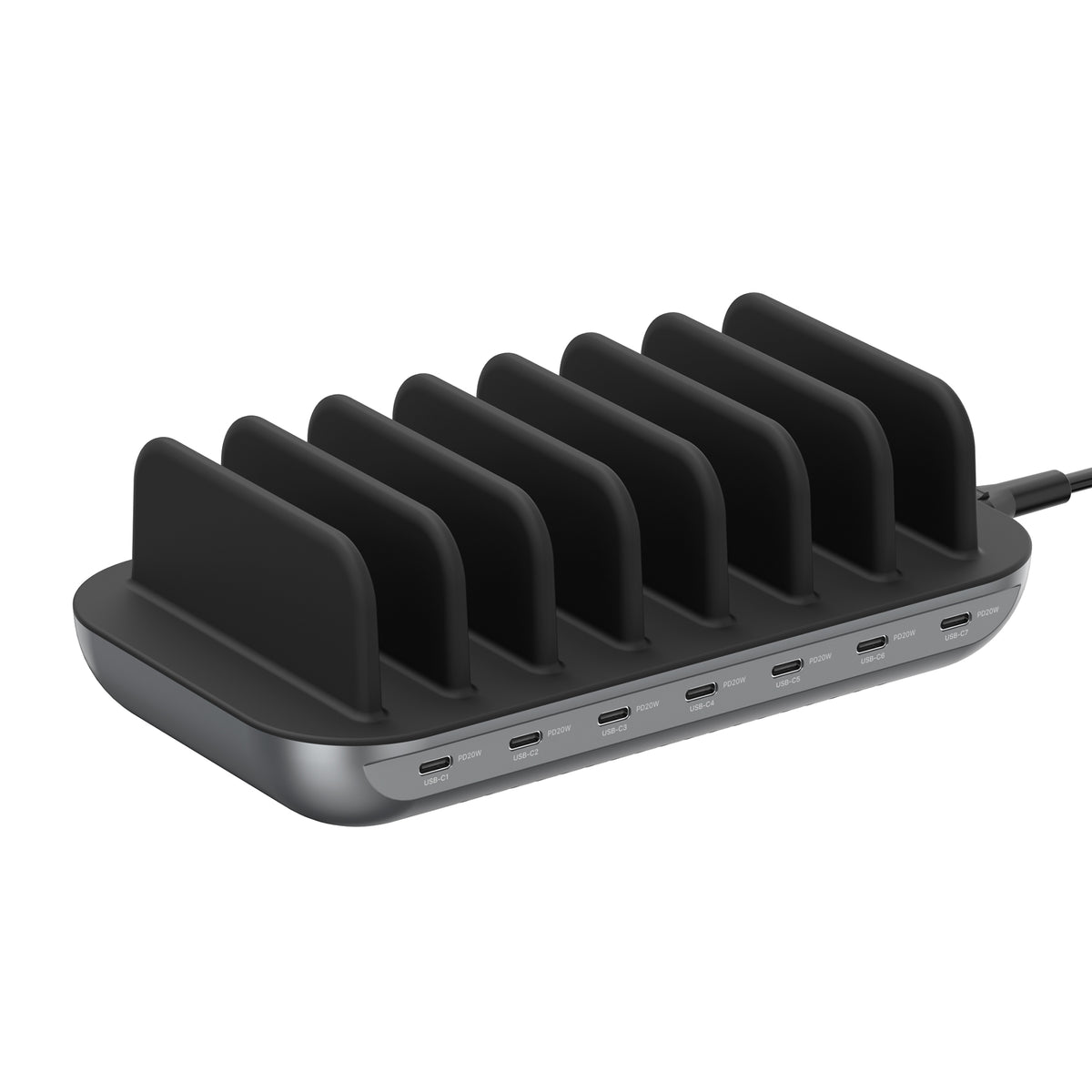
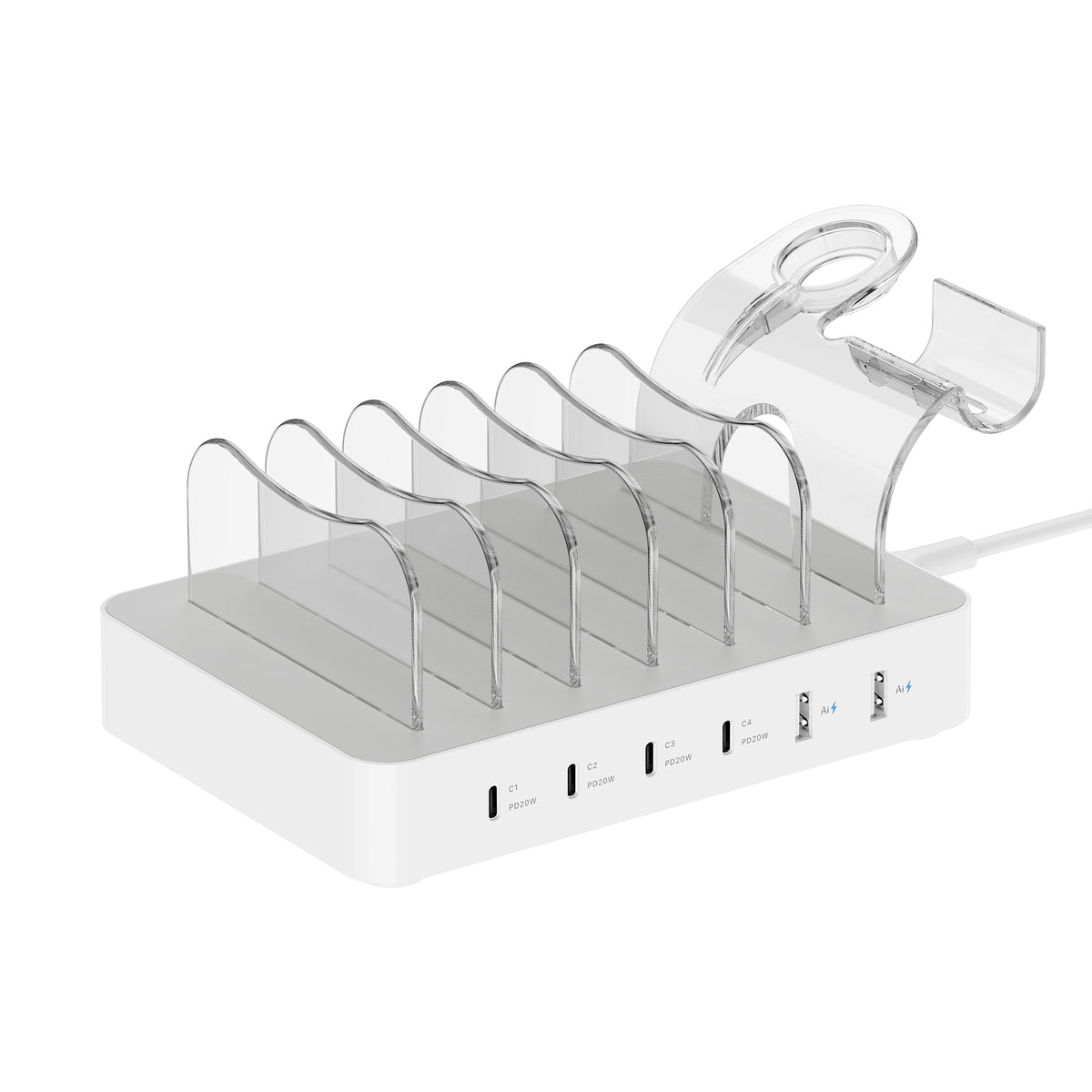
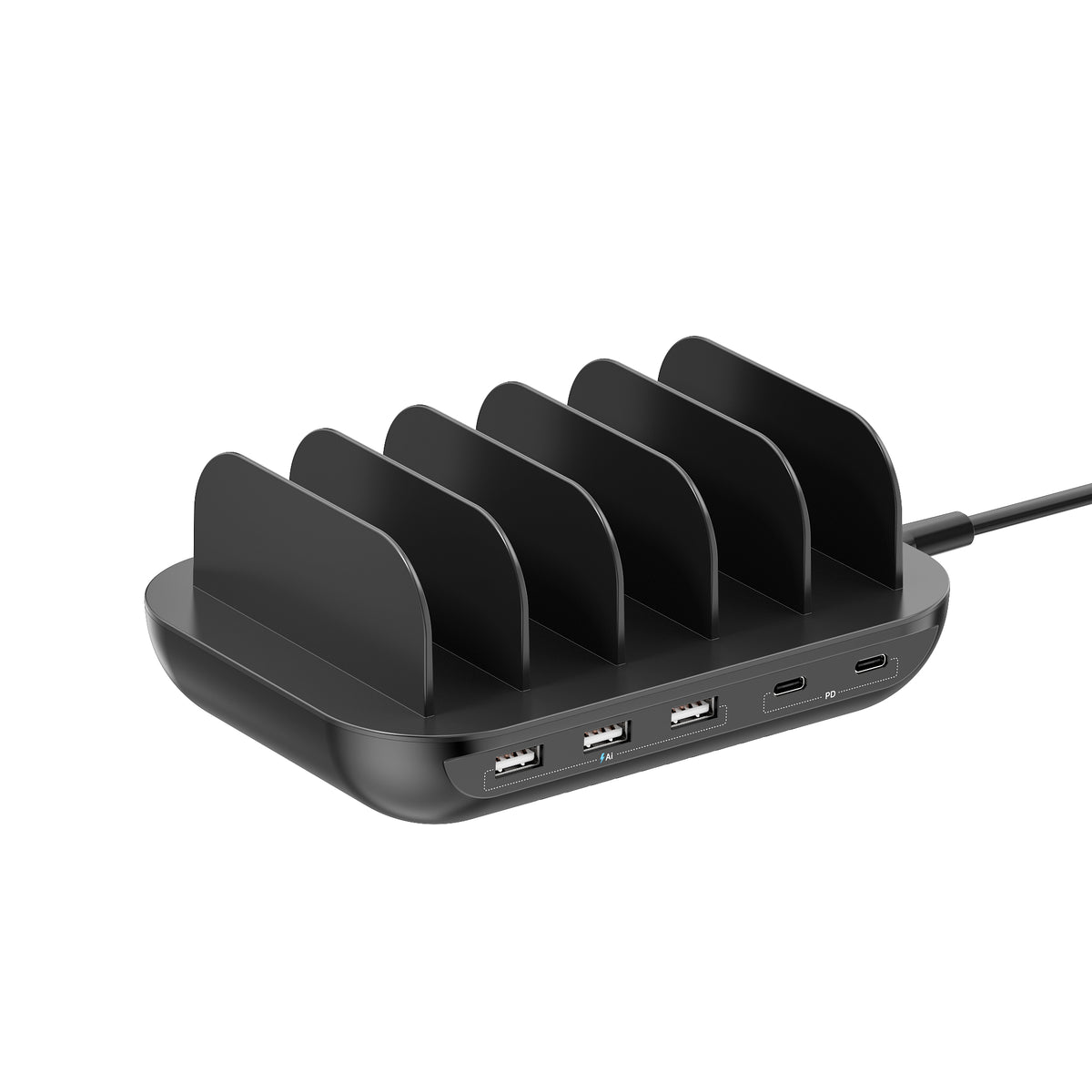
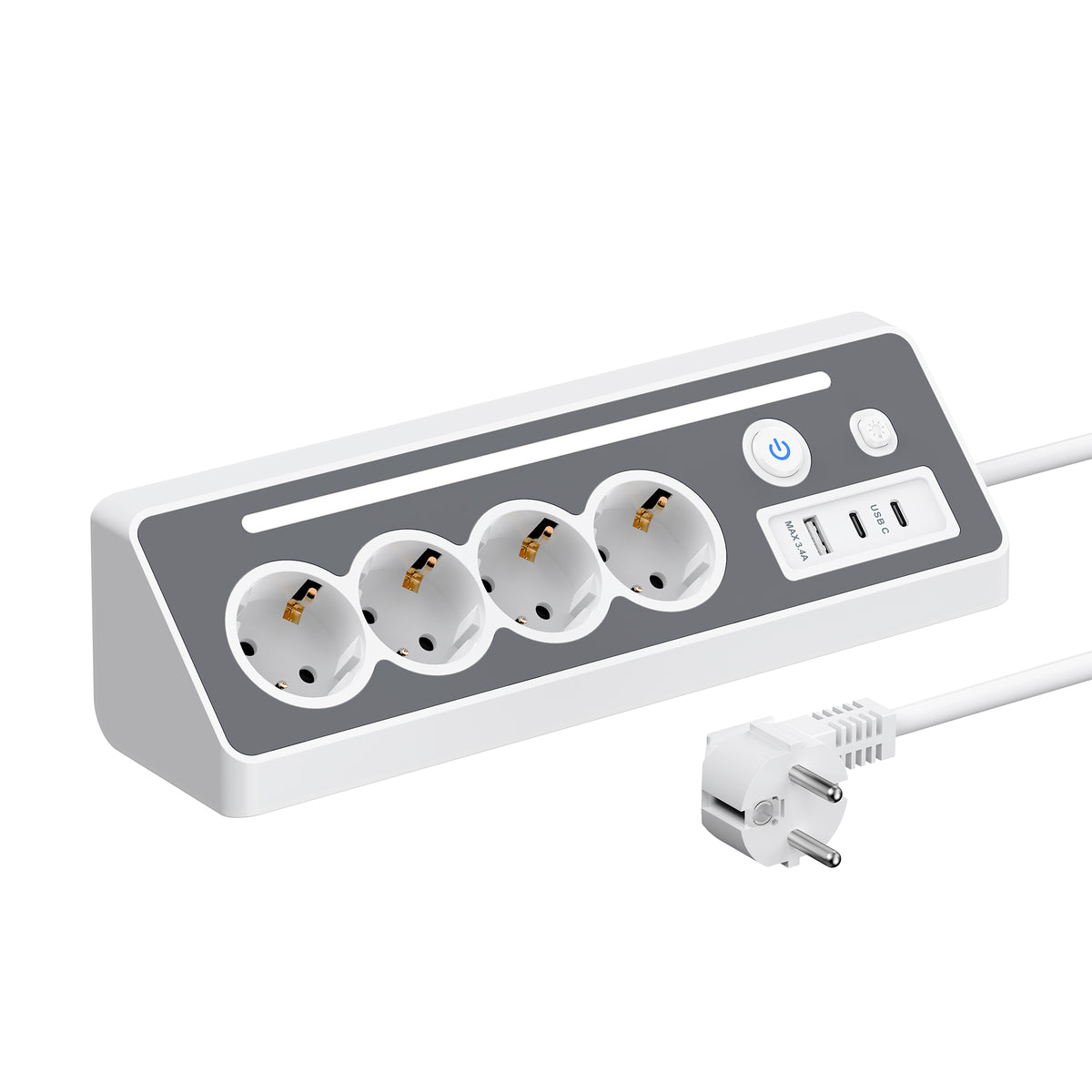
So every SOOPII product starts with a different question: what must this do, and what must it not pretend to do? A station is sized for phones, tablets, earbuds and power banks, and its page says so in the first paragraph. A strip is sized for the laptop adapter, the monitor and the lamp. The cable is rated to what the port supplies. Function first means the boundary is printed where you buy it, not discovered at home.
What we make
CS Series: multi-port USB-C charging stations, 4 to 10 ports, 35W to 200W. Every port caps at 20W, which is what a phone, tablet, earbud or camera battery needs. Cables and dividers ship in the box, one cable per port.
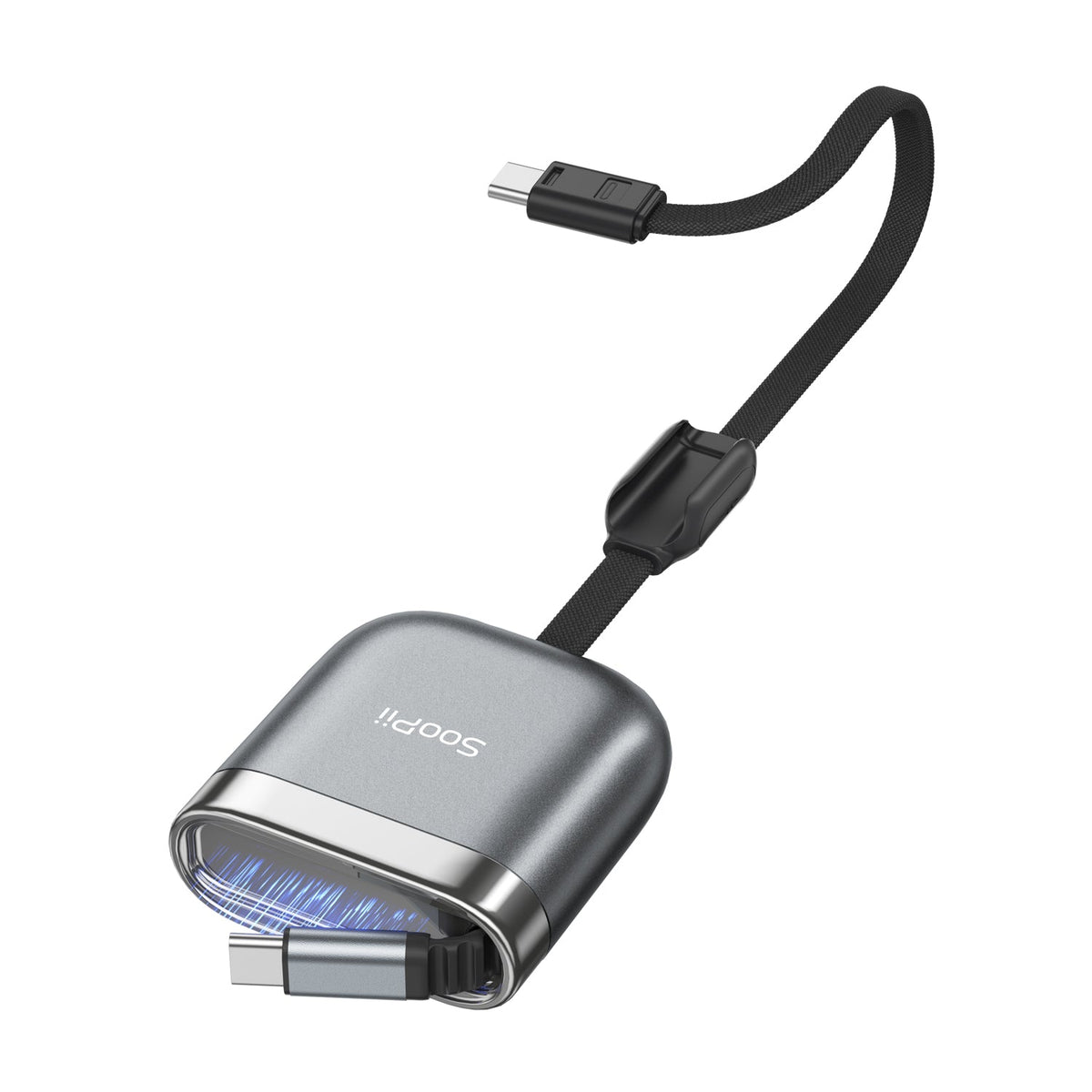
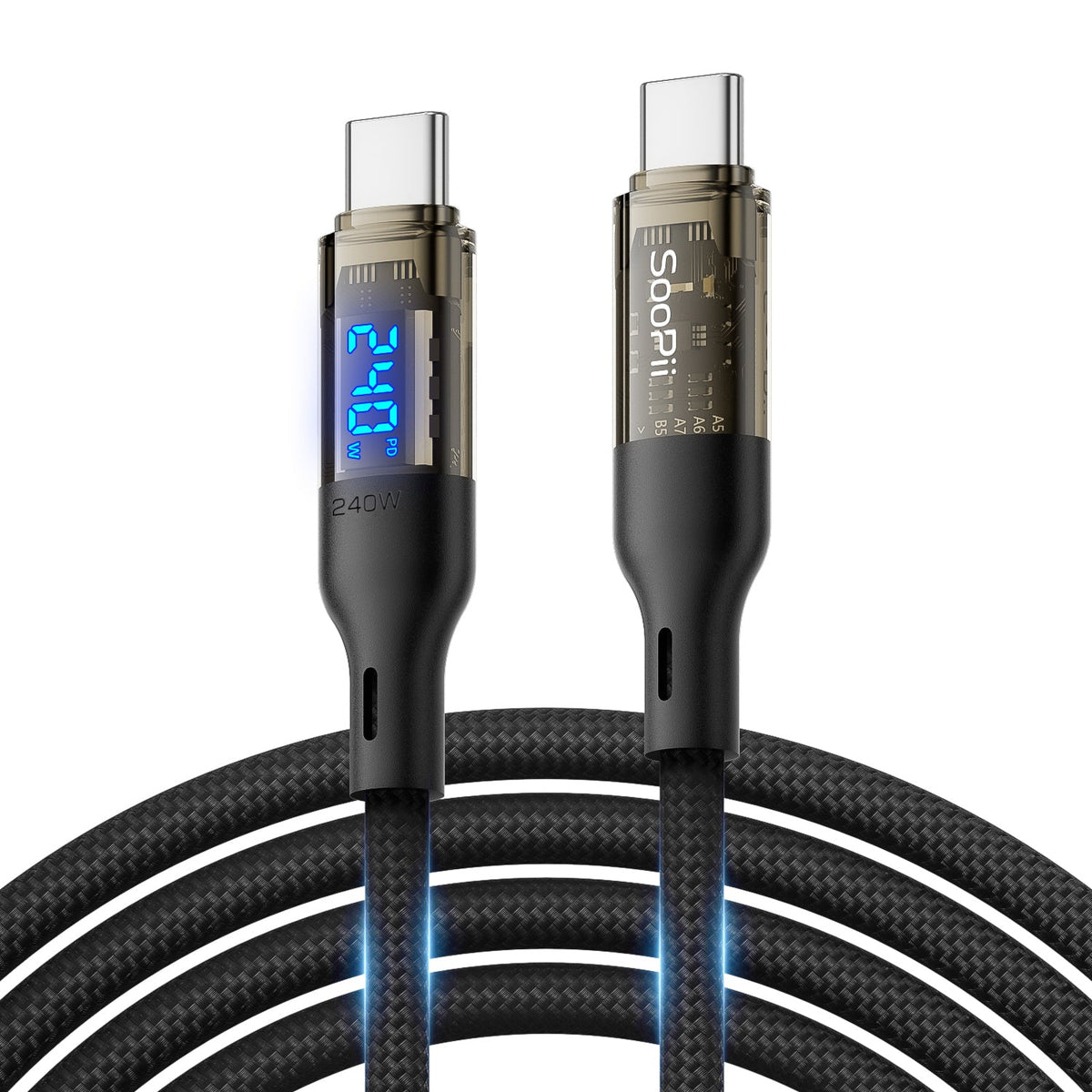
S Series: USB-C cables rated 240W on three models, the S45 with the live wattage display, and the S86 and S96 retractable. The H1 cable carries 60W for the ports on a station. A cable decides whether the power arrives whole.
TPS and FPS: power strips and towers for the laptop adapter, the monitor and the lamp, with USB ports alongside for the small devices.
Together they cover a desk. No part covers it alone, and that is the point.
What the split buys you
Buying one part at a time is cheaper than buying the wrong part once. A station that quietly fails to charge a laptop becomes a return. A strip that can't hold ten phones becomes a second purchase. Splitting the desk by wattage means each part is bought when the desk needs it, and replaced when only that part ages out.
That is the whole method. Three parts, three jobs, each one described accurately on its own page.